Your pre-workout drink choice often determines whether you can perform well in weightlifting or sprinting, rather than running out of steam halfway through. Water is still king, but slight adjustments based on intensity and duration can lead to a win-win situation for both performance and recovery.
***
## Basic Principles: When and How Much to Drink
– Drink 400-600 ml of fluid 1-2 hours before exercise to avoid overloading your bladder while ensuring hydration.
– For short workouts (<45 minutes), plain water is sufficient; for longer workouts or hot workouts, add electrolytes to prevent premature exhaustion.
– Listen to your body’s signals: pale yellow urine is ideal; thirst is a warning sign.
***
## Water and Electrolytes: The Indispensable Foundation
Plain water, or water with a little sea salt/electrolyte powder, maintains body temperature and muscle contraction; without it, everything is ineffective.
Coconut water provides potassium replenishment; it’s light and not greasy, suitable for drinking before moderate-intensity cardio, but if sodium is insufficient, it needs to be paired with salty foods.
For those who sweat a lot, adding a pinch of salt or a ready-made formula beforehand can prevent cramps and increase endurance by 20%.
***
## Caffeine Boost: Black Coffee or Green Tea
A cup of black coffee (approximately 100 mg of caffeine), consumed 45 minutes before exercise, enhances alertness and fat mobilization, delaying fatigue.
Green tea, enriched with L-theanine, provides a gentle boost and antioxidant benefits, making it the top choice for hot weather and avoiding the jittery feeling of coffee.
The dosage should be controlled at 3 mg/kg of body weight; sensitive individuals should start with half a cup and monitor heart rate responses.
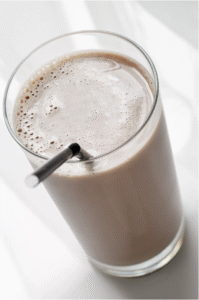
## Carbohydrate Energy: Banana Smoothie or Chocolate Milk
A banana + yogurt + honey smoothie provides potassium and readily available carbohydrates, stabilizing blood sugar and preventing crashes, making it an ideal pre-workout meal for strength training.
Chocolate milk balances carbohydrates and protein, with trace amounts of salt and calcium aiding in electrolyte balance; a small cup before an endurance race is like a secret weapon.
Beetroot juice with added lime salt provides nitrates that dilate blood vessels and increase oxygen supply; explosive power enthusiasts might want to try this natural pump. ***
## Protein Supplementation: When to Consider a Shaker Cup
Shake a light whey or plant-based protein shake (15–20 grams) on an empty stomach before long workouts to maintain muscle mass and prevent stomach upset.
Almond milk + turmeric honey offers dual anti-inflammatory and endurance benefits, a gentle starting point for vegetarians.
Don’t overdo it: Protein digests slowly, and too much can be a burden. Prioritize carbohydrates.
***
## Drink Selection Quick Reference
| Training Type | Preferred Drink | Timing (Before) | Key Benefits | Precautions |
| Short Strength Training | Water + Coffee | 30–60 minutes | Focus + Strength | Limit to 1 cup, avoid before bed |
| Long Cardio Training | Electrolyte Water + Banana Smoothie | 60–90 minutes | Endurance + Potassium Supplementation | Monitor Urinary Frequency |
| High-Intensity Interval Training | Beetroot Juice + BCAA | 45–60 minutes | Pump + Anti-Fatigue | Beginners can dilute to prevent bloating |
| Recovery Day | Green Tea or Almond Turmeric Milk | 30 minutes | Anti-inflammatory + Gentle Lift | Caffeine-Free, Gentle Start |
***
## Personalization and Common Pitfalls
Start with simplicity: Water + Coffee is sufficient for most people; leave complex formulas for those with high-intensity needs.
Avoid: Alcohol, carbonated drinks, and high-sugar beverages; the former dehydrates, and the latter causes blood sugar spikes.
Experiment Log: Try one drink per week, note the energy and stomach feel, and find your golden formula—because the best drink is always hidden in your unique constitution.